Five letters for a safer internet: how SMART spread across Osun State
Some of the best ideas don't come from a project plan. They come from the people in the room. That's the story of SMART.

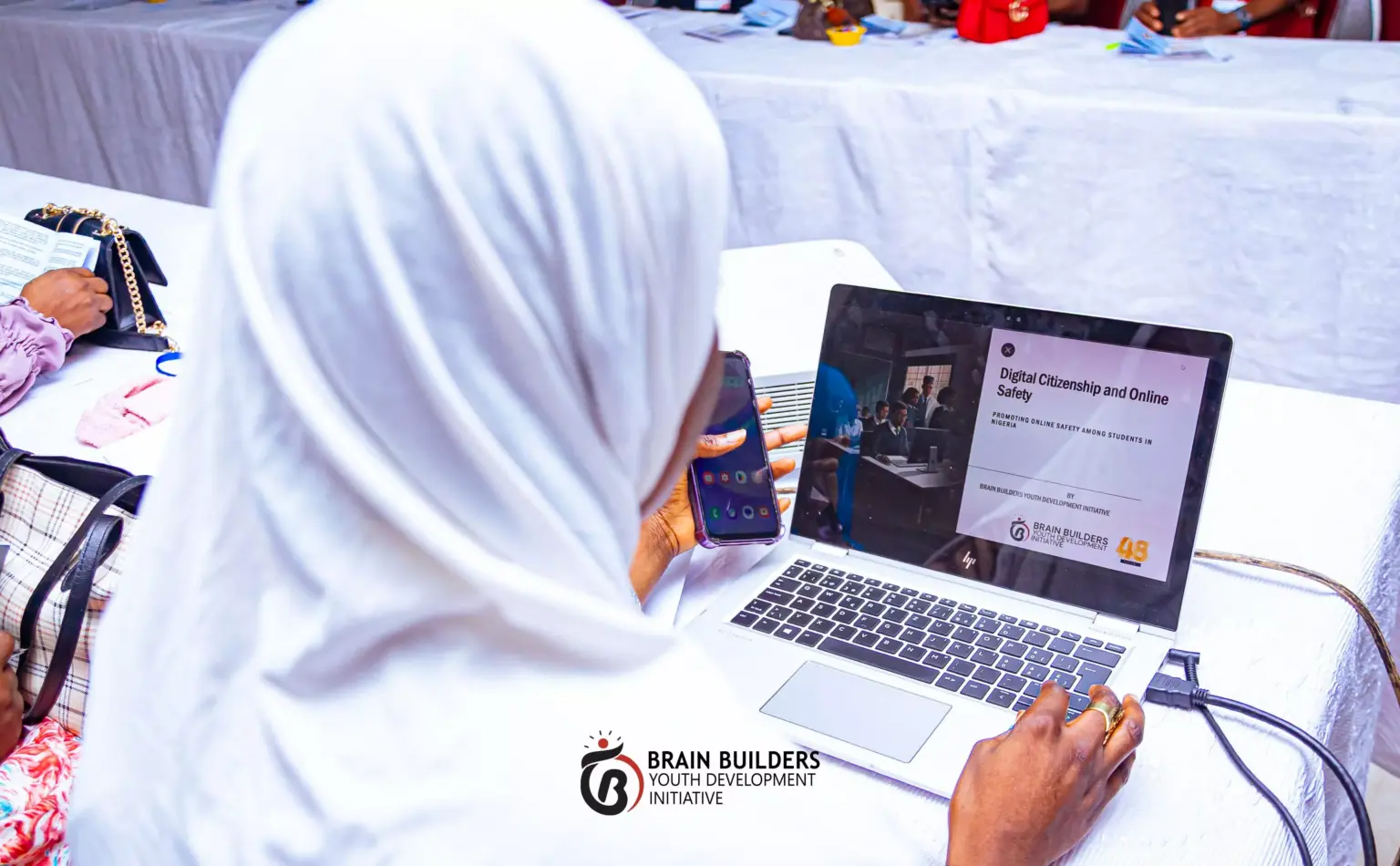
Last year, we supported Brain Builders Youth Development Initiative (BBYDI) in training secondary school teachers in Osun State, Nigeria, to become champions of digital safety. The plan was for those teachers to carry what they learned into their classrooms. What we didn’t plan for was that one of them would come up with the idea that would carry the whole project.
That idea is called SMART.
A rule students remember
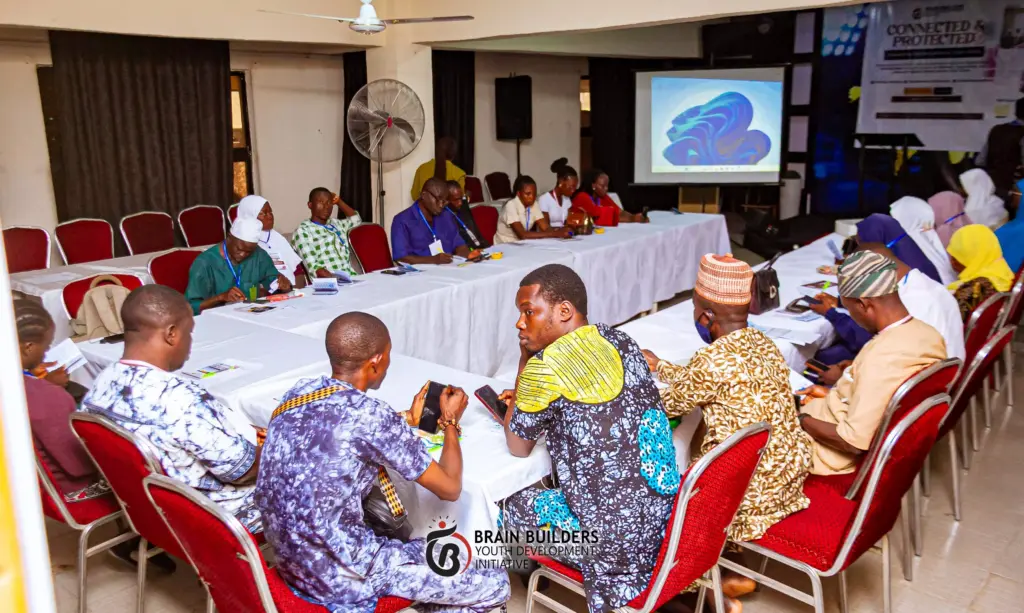
During a group exercise at the teachers’ training, Mrs Muinat Fadekemi was asked to design a lesson that would make online safety relatable to her students. She didn’t reach for a long list of dos and don’ts. Instead, she came up with a five-letter rule that young people could easily remember and use:
Stop before you click
Mind your privacy
Ask an adult
Report any strange activity
Take breaks from your screen regularly
She paired it with a “10-second rule”: before clicking a link or posting anything online, pause, reflect and think.
The room lit up as she explained it. The other teachers agreed that she had captured the essence of digital safety in just five letters. And because SMART came from a teacher, not from a manual, it spoke the language of the classroom from day one. That turned out to be a big reason why it spread so well.
From the training room to the schoolyard
After the training, the teachers took SMART back to their own schools through step-down sessions, where they passed on what they had learned. Each school found its own way to bring the rules to life. Some held school assemblies or organized debates such as “My Phone and I”. Others started peer education clubs or ran SMART poster campaigns.
Teachers also began to weave digital safety into everyday school life, with digital safety pledges and the SMART rules becoming part of the routine. Together, these step-down sessions reached more than 1,450 students.
Stories from the schools
The day after the step-down session at Anti-Phobia Model College, the principal received a letter from a parent. Her son had come home so excited that he “would not let us rest from all that was learnt,” she wrote. The manual he was given “has been his companion since yesterday.” She read it herself, called it “a must-have” for every student, and asked the school to get copies to the students who had missed out.
At Ar-Rahman College, the training changed something for the teachers, too. Mr Abduljelil Azeez used to approach his students’ online lives with discipline. Now he leads with dialogue. “This session taught me to tread gently with my students and to listen more,” he said. “That’s the only way they will trust me with their online struggles.”
That shift is at the heart of SMART. “Ask an adult” only works if young people trust the adults around them enough to ask.
The message is landing with students as well. A student from Ifon told us: “Before today, I thought the internet was only for chatting and music. Now I know it can also harm me if I’m not careful. I will take note of the lessons here and be cautious while operating on the internet moving forward.”
A year on
The real test of a project is what happens after it ends. A year later, SMART is still going strong.
Fifteen of the trained teachers are still running digital safety activities in their schools. Twenty-seven schools have made digital safety a regular part of their programs. And the number of students reached has grown from more than 1,450 to more than 3,720.
The project has ended, but the work hasn’t. That says a lot about the power of ownership: SMART belongs to the teachers who use it.
What’s next for SMART
Brain Builders Youth Development Initiative plan to make SMART a core part of future trainings. That includes a Yoruba edition of the guidebook and an interactive digital version that they’re developing, subject to funding.
For us, SMART is a reminder of something we see again and again: the best solutions are the ones that fit local circumstances, and the people who know those circumstances best are often already in the room. Our job is to give them the space, and the support, to build on their ideas.
Want to know more about this project, or to help bring SMART to more schools? Get in touch.