How digital literacy is transforming Bidibidi Refugee Settlement
YFTC transforms Uganda’s Bidibidi Refugee Settlement by providing digital learning hubs, internet access, and digital skills training.

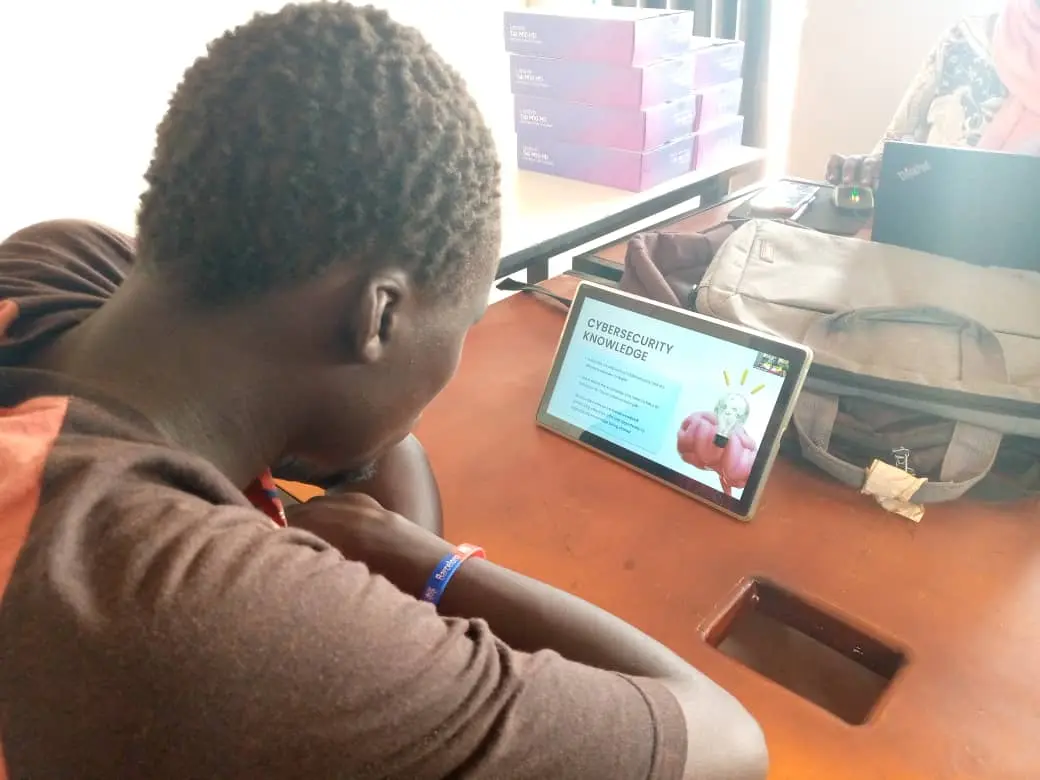
In today’s increasingly connected world, digital access is more important than ever. However, for many refugees and host communities, the digital divide remains a significant barrier to education, employment, and communication. This project by Youth Focus on Transforming Communities (YFTC), called Digital Bridges, aims to change that by equipping young people in Uganda’s Bidibidi Refugee Settlement with the tools they need to succeed in the modern world. In this interview, we explore the initiative, its impact, and the future of digital learning in refugee communities.
Can you briefly describe the Digital Bridges project?
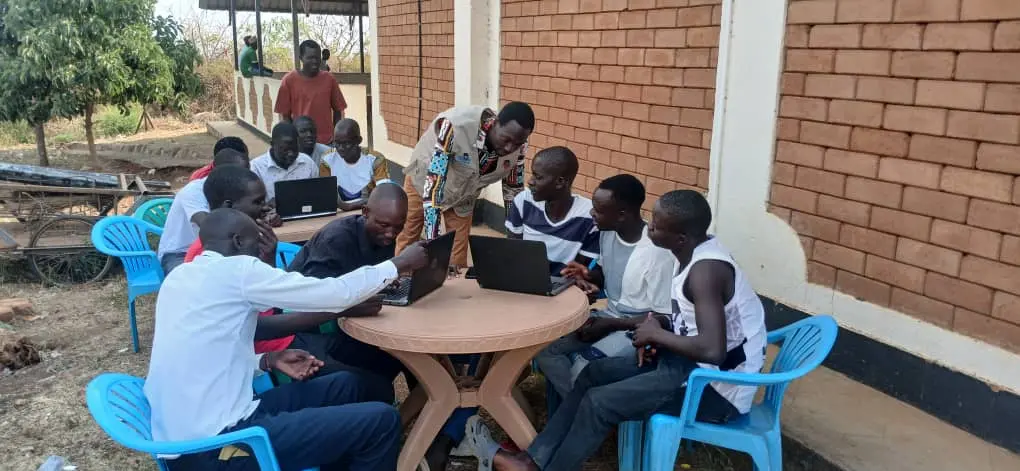
The Digital Bridges project empowers refugee and host community youth in the Bidibidi Refugee Settlement by transforming existing youth centers into digital learning hubs. These hubs will provide internet connectivity, access to digital tools, and comprehensive digital literacy training. The goal is to enable young people to engage with online learning platforms, develop crucial skills, and improve their employability. By addressing the digital divide, the project fosters self-sufficiency and strengthens community development, ultimately providing youth with greater opportunities for a brighter future.
Why was Bidibidi Refugee Settlement chosen for this project?
Bidibidi is one of the largest refugee settlements in the world, but access to digital resources remains extremely limited. Refugees and host communities here face significant challenges, including a lack of digital tools, reliable internet, and educational opportunities. Uganda’s new curriculum emphasizes self-paced learning, but many students struggle to access online resources due to the absence of technology.
Additionally, many refugees find it difficult to stay in touch with their families due to a lack of communication tools. The Digital Bridges project was launched to bridge these gaps, equipping young people with essential skills for education and employment while also providing a means for them to stay connected with loved ones.
What are the main challenges to connectivity in refugee communities like Bidibidi?
One of the biggest challenges is the lack of infrastructure. Internet access is unreliable or nonexistent in many areas, including schools. This makes it difficult for students to engage in digital learning. Many refugees also do not have access to personal digital devices such as smartphones, tablets, or laptops. Lack of digital devices significantly limits their ability to utilize digital education and communication tools.
Even when digital tools are available, the high cost of internet data and mobile connectivity remains a significant barrier for refugee families. Additionally, inconsistent access to electricity makes it difficult to use digital devices regularly. Another major hurdle is the digital literacy gap—many refugees have never used digital platforms before, making it essential to provide training on how to navigate the internet and maximize its potential for learning and communication.
How will the Bidibidi Refugee Settlement benefit from this project in the long term?
The long-term impact of the Digital Bridges project will be profound. Refugee and host community youth will gain essential digital skills. This enables them to access online learning platforms, conduct research, and pursue job opportunities. As digital literacy spreads, future generations will continue to benefit, creating a cycle of empowerment and self-sufficiency.
Education will also become more accessible. With reliable internet and digital devices, young people can engage in self-paced learning, bridging the educational gap and fostering a culture of lifelong learning. Improved connectivity will allow refugees to maintain vital connections with loved ones, strengthening social cohesion and well-being.
Economically, the project opens doors to remote work, digital entrepreneurship, and career opportunities, reducing dependency on external aid. The involvement of local volunteers and community members in maintaining the digital hubs will ensure sustainability, fostering a sense of ownership and long-term digital inclusion.
What other projects are you planning for the future?
YFTC is committed to expanding its work in connectivity, digital learning, and youth empowerment. Plans include the expansion of digital learning hubs across more refugee and host communities, ensuring wider access to digital resources.
To reach youth in remote areas, YFTC wants to introduce mobile learning units equipped with digital devices and internet connectivity. This can provide flexible educational opportunities. Additionally, digital skills training programs will focus on areas such as coding, graphic design, digital marketing, and e-commerce, equipping young people with essential skills for the digital economy.
Another key initiative involves establishing digital entrepreneurship incubators to support young people in launching their own tech-based startups. These incubators will provide mentorship, funding access, and technical resources. That way YFTC can help youth turn their digital skills into viable business ventures. This will again drive economic growth within their communities.
Final Thoughts
The Digital Bridges project represents a significant step forward in providing refugee and host community youth with the tools they need to navigate an increasingly digital world. By improving access to technology and training, this initiative is not just offering opportunities, it builds a foundation for a more connected, educated, and empowered generation. As YFTC continues its mission, the future looks promising for young people in Bidibidi and beyond.